Cogut Institute for the Humanities

2024–25 Annual Report

Strengthening Brown’s Humanities Community

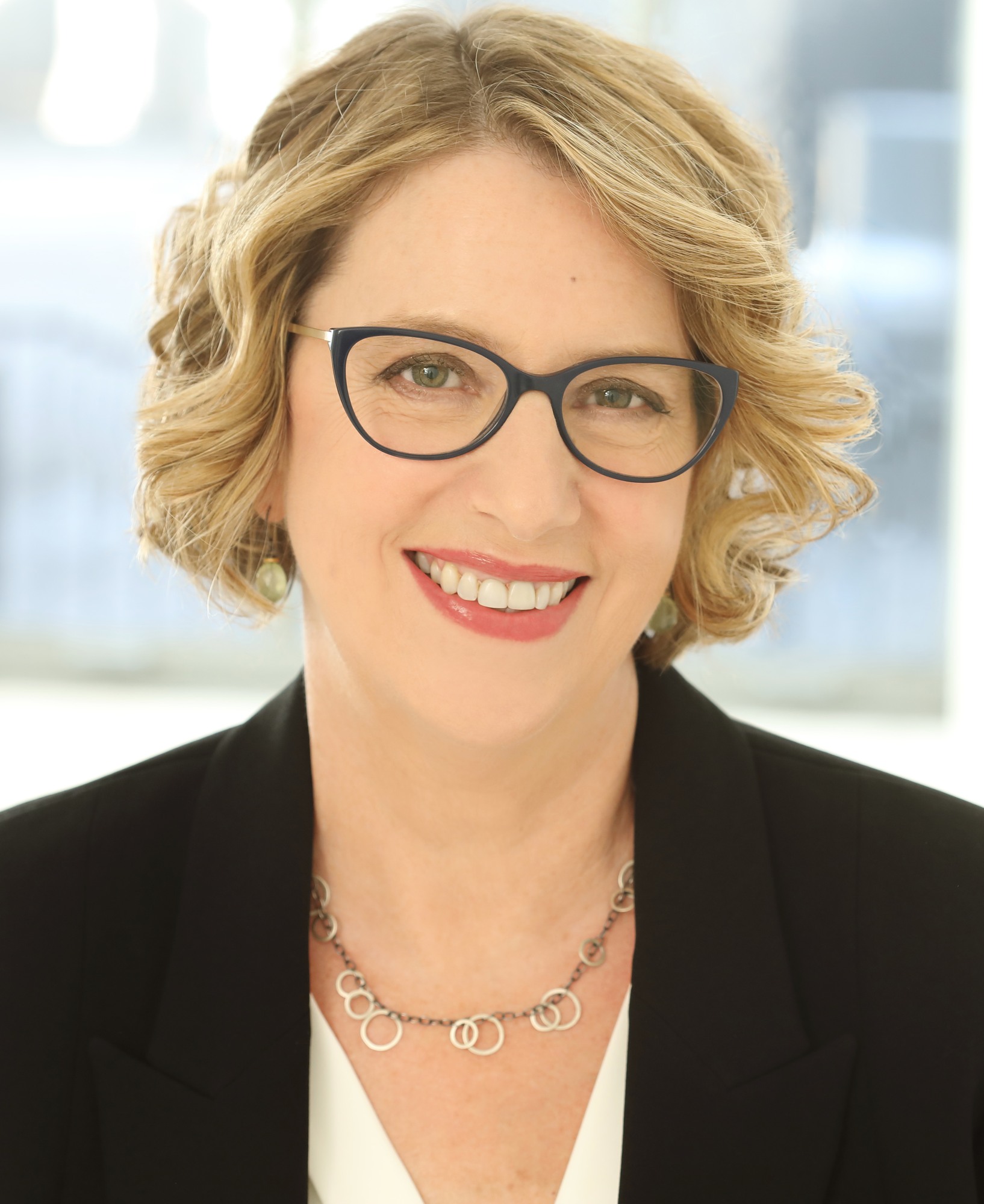
Portrait of Amanda Anderson
Amanda Anderson, Andrew W. Mellon Professor of English and Humanities

From the Director

This is a critical time for higher education and for our world. In this context, the humanities have a crucial role to play, both in sustaining vital forms of research across history, literatures, and cultures, and in helping to frame generative inquiry into the many challenges that confront humanity.

Building on a long history of excellence in the liberal arts, Brown is at the forefront of humanities research and learning. To take simply one indicator: this past spring, the institute hosted a celebration of more than 40 faculty books published in the humanities since the start of 2024. We were thrilled to honor publications from 19 different departments across numerous genres and modes of writing.
 

Continue reading

Communities of Research in a New Home on Campus

A Physical Hub for the Humanities

In July 2024, the Cogut Institute moved into its new home, Andrews House. With a beautiful renovation designed by the architectural firm Goody Clancy and a location close to the Main Green, Andrews House on Brown Street serves the University as a distinctive site for humanities programming, teaching, and research.

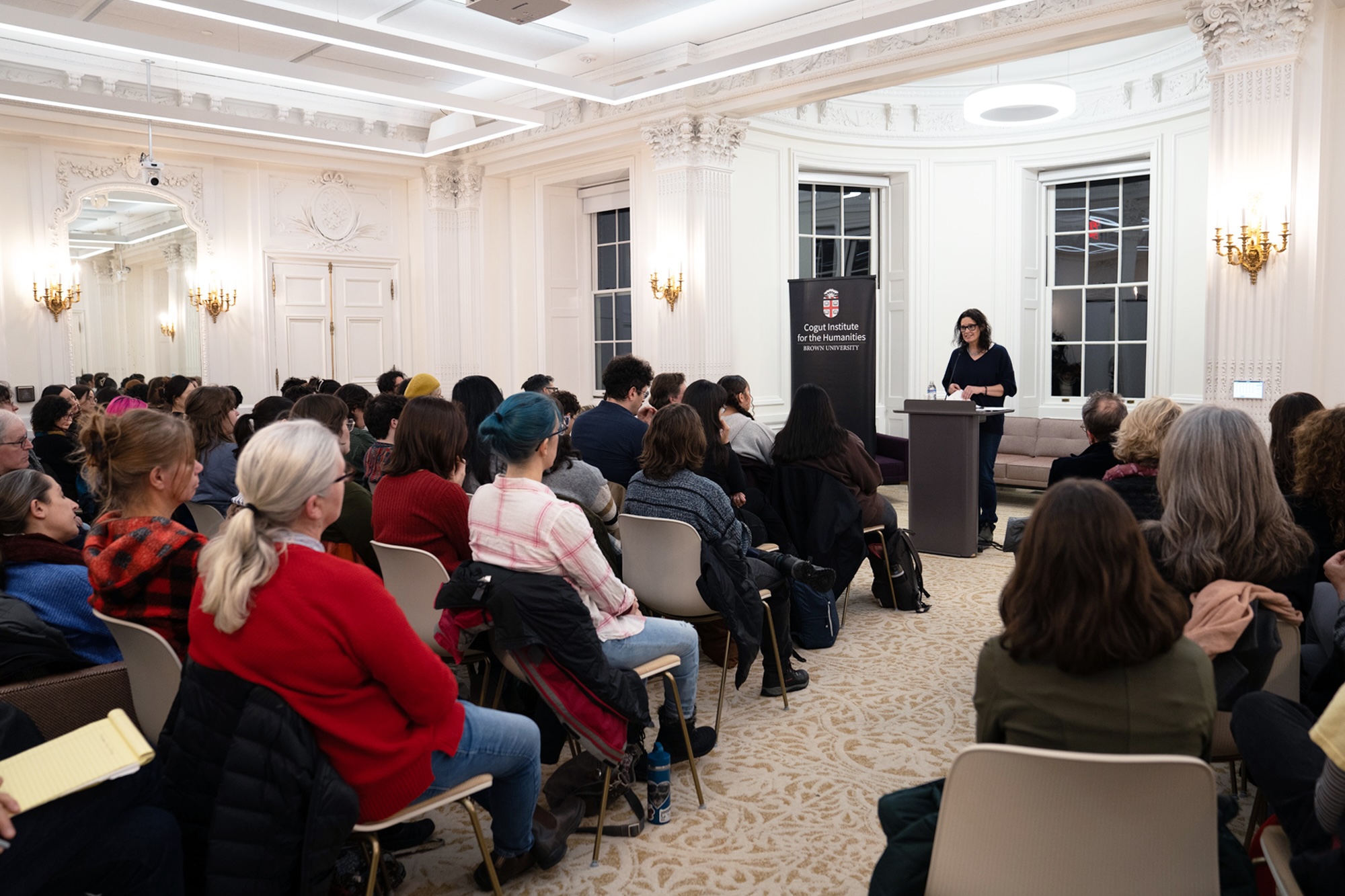
Andrews House has been transformative for the institute beyond our expectations. The thoughtful design of space flexibly allows for a range of teaching and programming formats. Beyond this, we now have the capacity not only to house our own programs and courses, but also to host programs and courses developed by other units across campus. Every week, hundreds of members of the University community come through our doors.

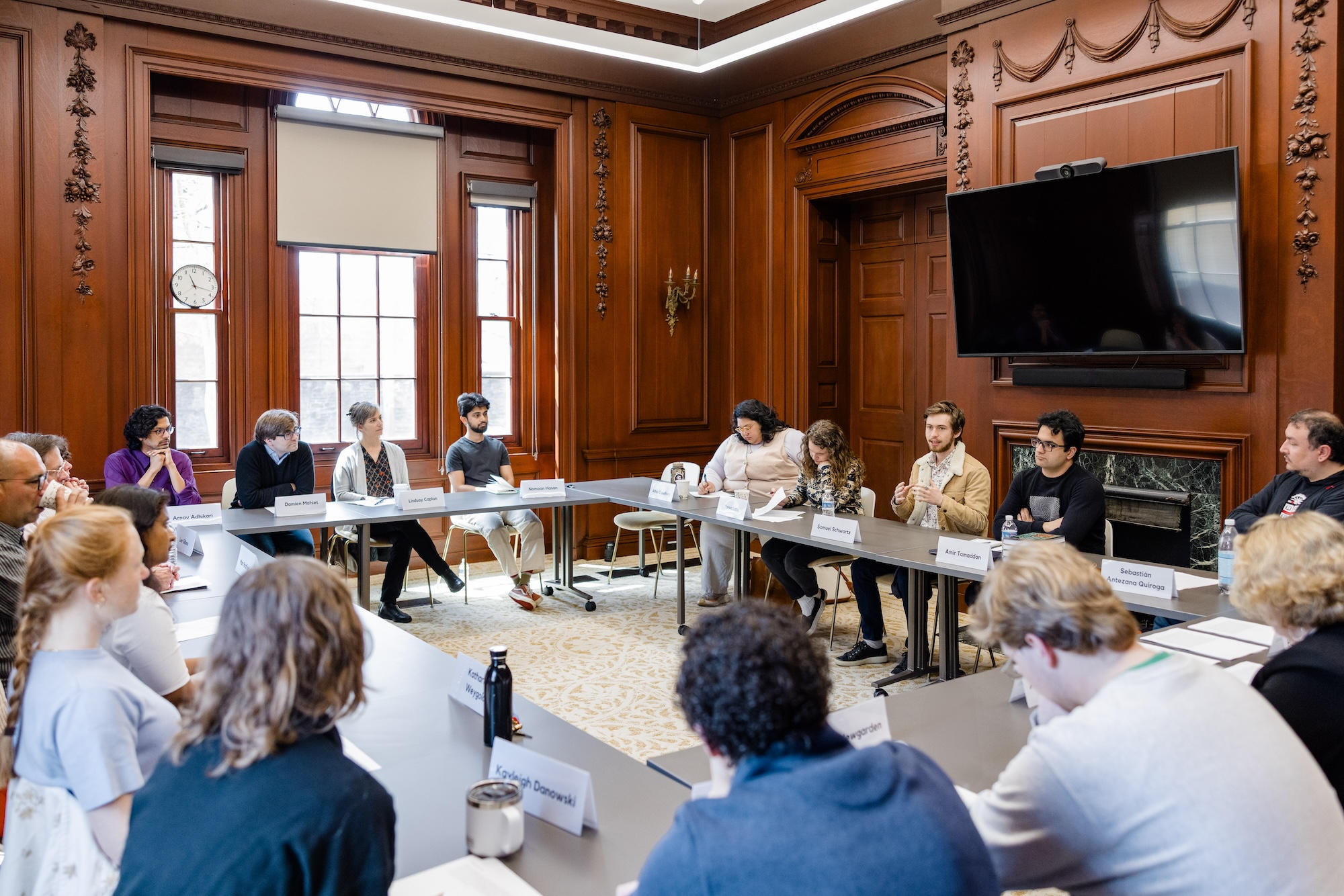
The Fellows Seminar meeting in room 106

Leanne Betasamosake Simpson addresses the audience in room 110

The new building also includes work and community space for our entire fellowship community. The fellows have made the building a home away from home, filling offices with books and keeping long hours. Undergraduate and graduate fellows in particular have been vocal about how meaningful the space has been, saying that it’s helped them to focus on their research, to build camaraderie with each other, and, most important, to know that their work matters to the University.


Read more about Andrews House

Understanding AI and Its Human Impact

Still from “Pixillation” by Lillian F. Schwartz, 1970, from the collections of the Henry Ford.
Still from “Pixillation” by Lillian F. Schwartz, 1970, from the collections of the Henry Ford

Our inaugural multi-year Collaborative Humanities Lab, “Models-Scale-Context: AI and the Humanities,” has gathered involvement from across the University, including through a series of 10 reading groups proposed by students, faculty, and staff. Covering topics such as AI in science fiction; automation; general systems theory; and AI and racial justice, the participants represent 25 fields of inquiry across the humanities, the social sciences, and the sciences.

Over the course of the year, the lab hosted several public lectures on topics ranging from cybernetics and systems theory, authorship in the age of AI, and the cybersecurity of fairy tales. The year’s programming culminated in a daylong interdisciplinary workshop titled “Models: Humanities at the Edge of the Human,” convened by faculty members Lindsay Caplan (History of Art and Architecture) and Debbie Weinstein (American Studies). Scholars from across fields discussed how modeling has variously shaped disciplines as well as the techno-creative endeavors associated with AI and its precursors.

“ As I graduate and head into a career in machine learning, the lessons I learned from [Profs. Case and Venkatasubramanian] felt absolutely crucial. [The class] broadened my understanding of tech ethics into a question of history, philosophy, and what it means to be human. ”

Student in the course “History of Artificial Intelligence”

Confronting Environmental Crises

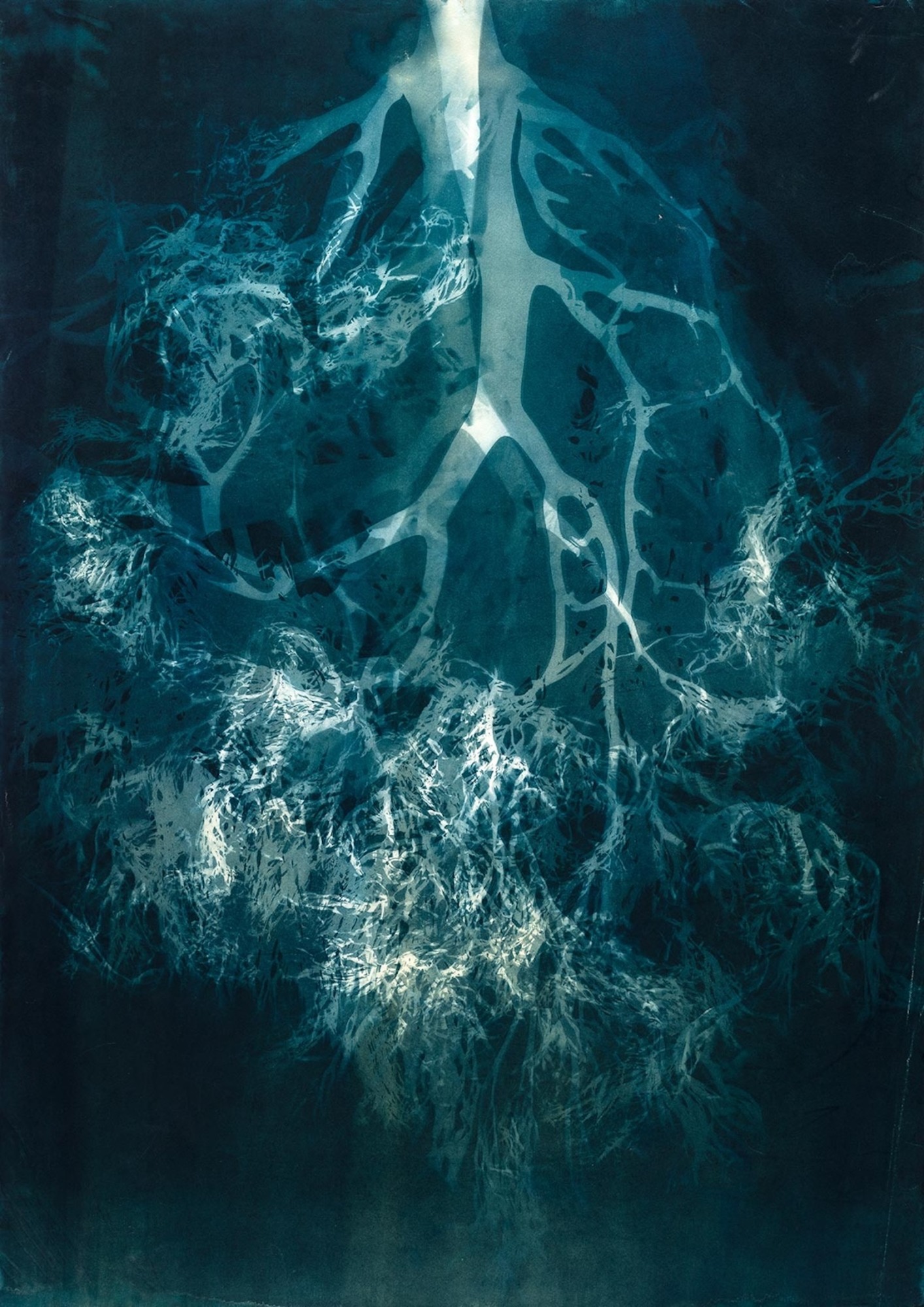
Algarium: Bosques Submarinos, de María Luisa Donoso Fernández
“Algarium: Bosques Submarinos” by María Luisa Donoso Fernández

The Center for Environmental Humanities (CEHAB) officially launched in 2024–25 under the leadership of inaugural director Macarena Gómez-Barris (Modern Culture and Media, Brown Arts Institute). This year’s programming explored questions including the arts of land and water defense, eco-poetics, plastics, and media and arts practice. Events featured scholars and creators offering novel perspectives on the climate crisis, extractivist practices, and the Global South.

In summer 2025, the center hosted the second installment of “In the Dissolution: Climate Change, Decolonization, and Global Blackness,” a weeklong workshop in partnership with Duke University, led by Gómez-Barris and Michaeline Crichlow (Duke University | African and African American Studies). A cohort of graduate students and invited artists and scholars joined in seminars, discussions, and readings exploring the interconnectedness of climate change and colonial exploitation. Invited artists and scholars included Julian Talamantez Brolaski, Jayna Brown (Brown University | Theatre Arts and Performance Studies), Anny-Dominique Curtius (University of Iowa | Francophone Studies), Denise Ferreira da Silva (New York University | Spanish and Portuguese), Leila Lehnen (Brown University | Portuguese and Brazilian Studies), madison moore (Brown University | Modern Culture and Media), and Alexander Weheliye (Brown University | Modern Culture and Media).

Macarena Gómez-Barris reflects on the environmental humanities.

Supporting Humanistic Research and Learning

The Fellows Seminar

The Fellows Seminar reflects the institute’s commitment to supporting a broad scholarly community enriching individual inquiry and research. Fellows in the humanities and humanistic social sciences representing all stages of career — from undergraduates to faculty — come together to discuss work-in-progress, gaining insights into their own disciplines’ concepts and methods, offering their perspectives and expertise to others, and forging meaningful working relationships.

This year’s fellows, representing 25 different fields of inquiry, pursued research projects that will evolve into future books, conference papers, and other forms of scholarly transmission. Watch a selection of faculty fellows introducing their projects.

Faculty fellows Lindsay Caplan, Amy Russell, and Prerna Singh introduce their research.

Graduate and Postdoctoral Fellows Newly Hired for Tenure-track Positions

Congratulations to our three graduate and postdoctoral fellows who have been hired for tenure-track positions at research institutions! We’re excited to see how their research develops and where their careers take them.


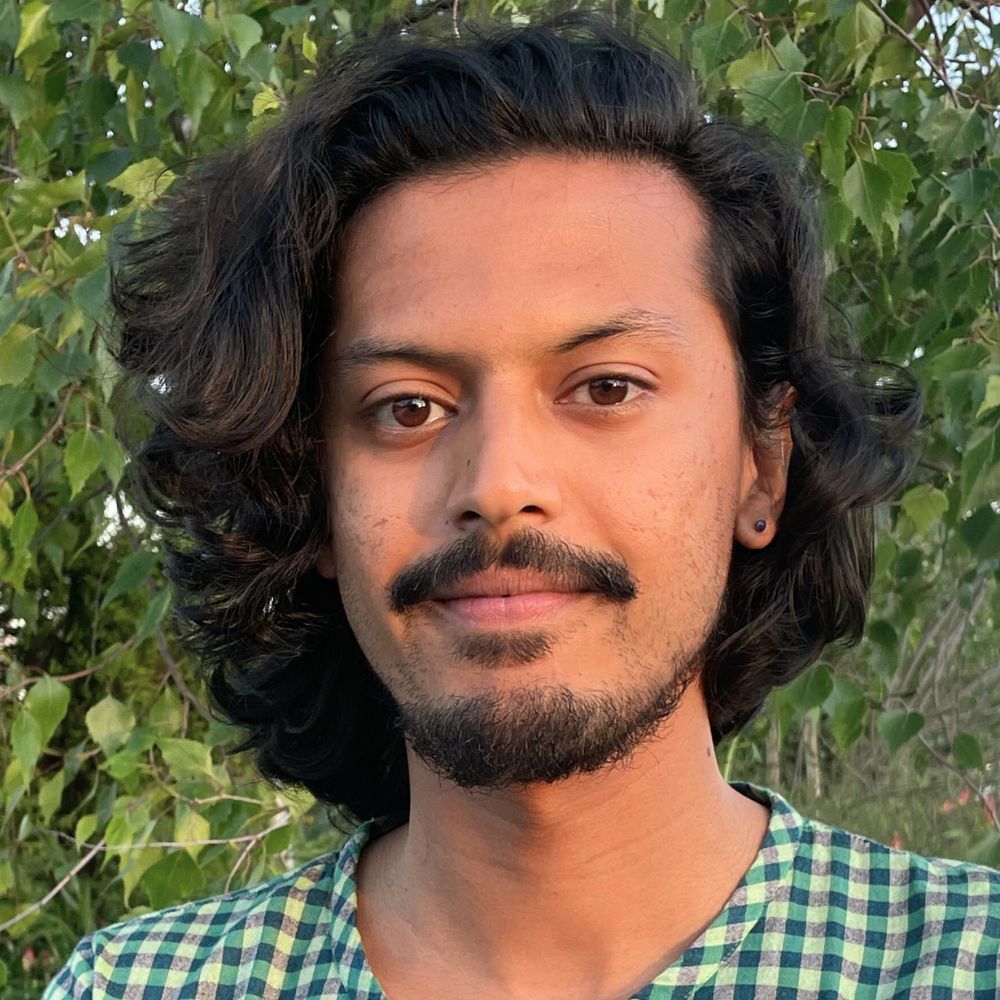
Portrait of Arnav Adhikari

Arnav Adhikari | Graduate Fellow in English

Fellowship project: “Amorphous Empires: Literature, Media, and Politics in Cold War South Asia”

► Assistant Professor of English, Mount Holyoke College


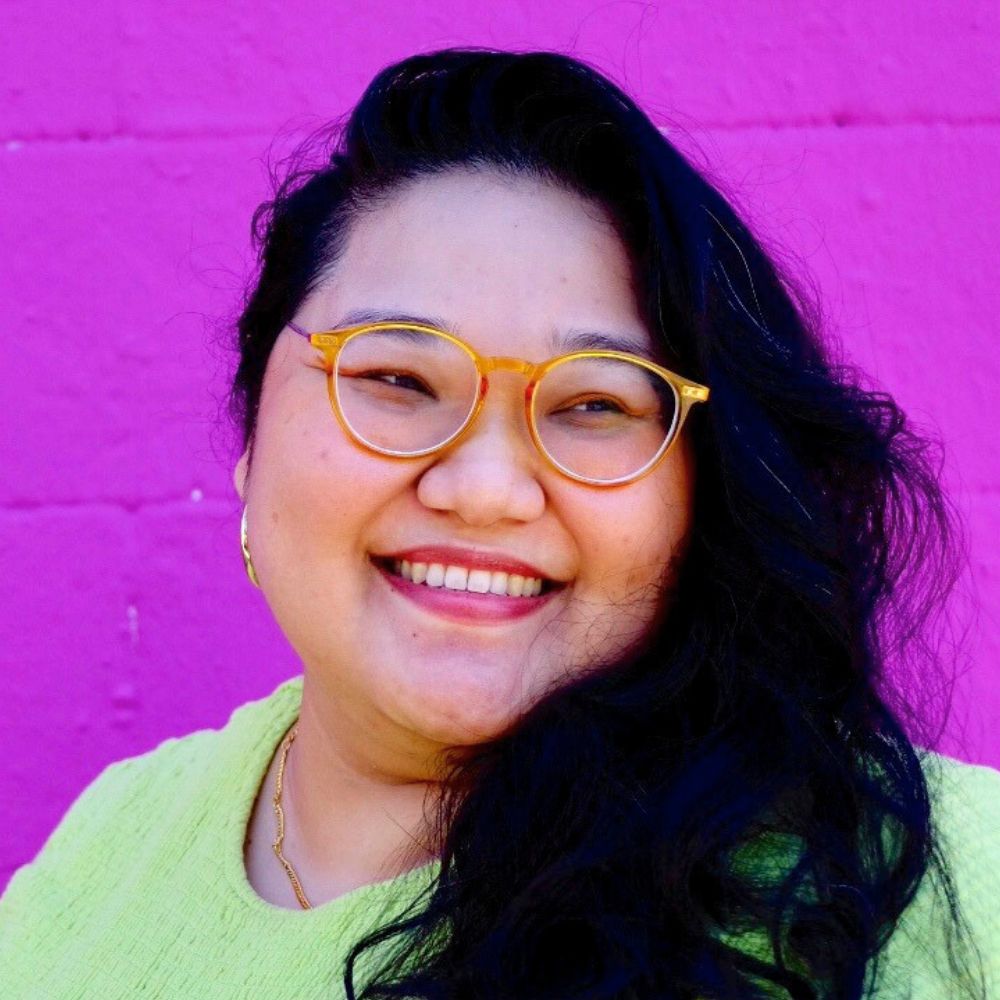
Portrait of Athia Choudhury

Athia Choudhury | Mellon Postdoctoral Fellow in American Studies and Science, Technology, and Society

Fellowship project: “Gut Cultures: Metabolic Personhood and the Promise of Wellness”

► Assistant Professor of Asian American Studies, University of California, Davis


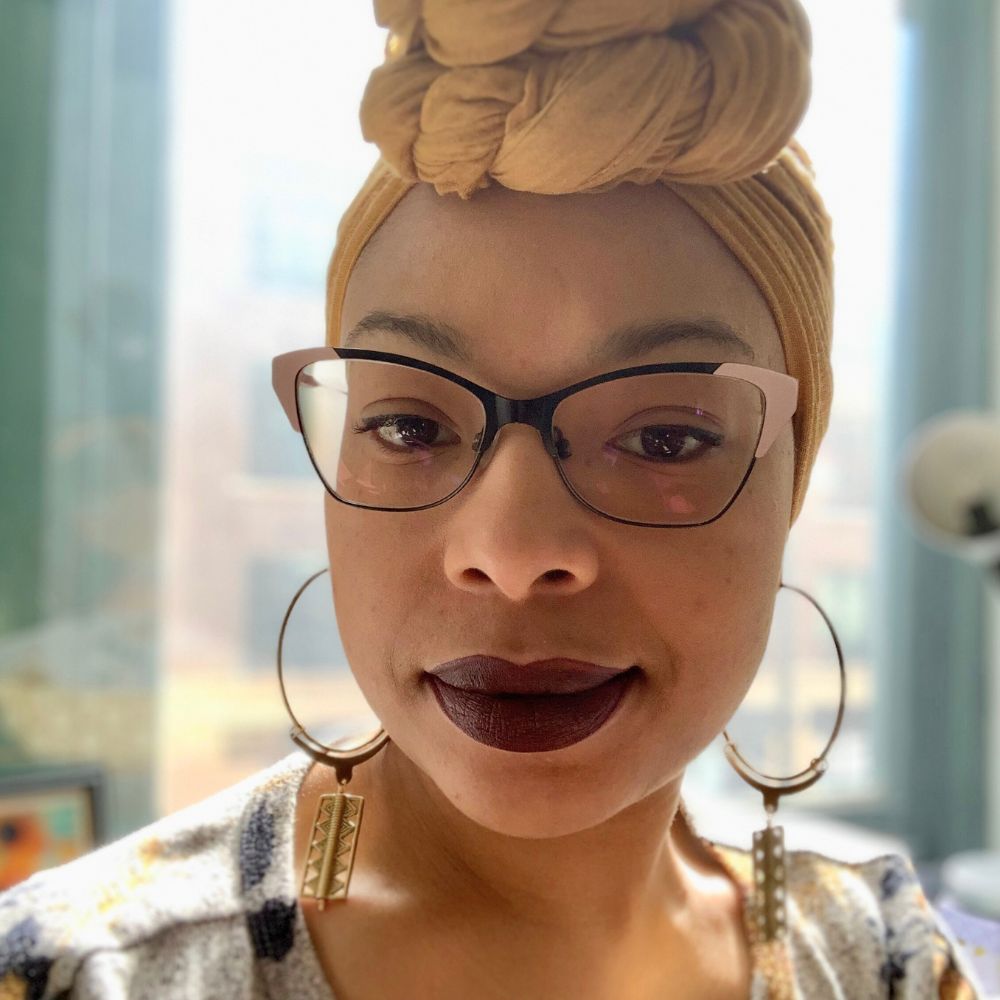
Portrait of Kristen Reynolds

Kristen Reynolds | International Humanities Postdoctoral Fellow in Africana Studies and the Center for Digital Scholarship

Fellowship project: “The (Hu)man in the Machine: Black Speculative Visions for Technology Beyond Man”

► Assistant Professor of Social and Critical Inquiry, University of Connecticut

At the end of the year, the undergraduate fellows reflected on the value of the fellowship to their Brown University experience, highlighting the ways in which an interdisciplinary and multi-rank environment shaped their sense of themselves as scholars.

Undergraduate Fellows Kayleigh Danowski, Daniel Newgarden, Amir Tamaddon, Samuel Schwartz, and Eric Gottlieb discuss their time in the fellowship.

“ Both this class and the other Cogut Institute class that I took in the spring [...] have easily been my favorite courses at Brown. I am so appreciative of how Cogut courses approach interdisciplinary learning — it’s exactly why I chose to come to Brown. ”

Undergraduate student on 1000-level courses taught at the institute in 2024–25

Engaging Students Across Campus in Shared Inquiry

Among the institute’s collaborative humanities course offerings this past year were nine team-taught graduate seminars including “Faces: From Masks to Deepfake,” “Technologies of Memory,” “Archive Theory: Imagining Absence Otherwise,” and “Decolonial Futurities: Submerged Perspectives from and Within the Americas.”

Two of these courses organized major public events. From the course “Archive Theory: Imagining Absence Otherwise,” taught by Kiana Murphy (American Studies) and Alejandra Rosenberg Navarro (Hispanic Studies), came the conference “Tending the Gap: Storytelling as Archival Method.” The conference gave students across nine departments at Brown and RISD the opportunity to present their research and concluded with a keynote lecture by Ahmad Greene-Hayes (Harvard Divinity School | African American Religious Studies), titled “Quadrants and Marginalia: Mapping Black Religion in the Archive.”

And from the course “Decolonial Futurities,” taught by Macarena Gómez-Barris (Modern Culture and Media) and Leila Lehnen (Portuguese and Brazilian Studies), came multiple events, including a panel featuring Indigenous artists Olinda Yawar Tupinambá and Ziel Karapotó.

Students presenting their work at the conference Tending the Gap

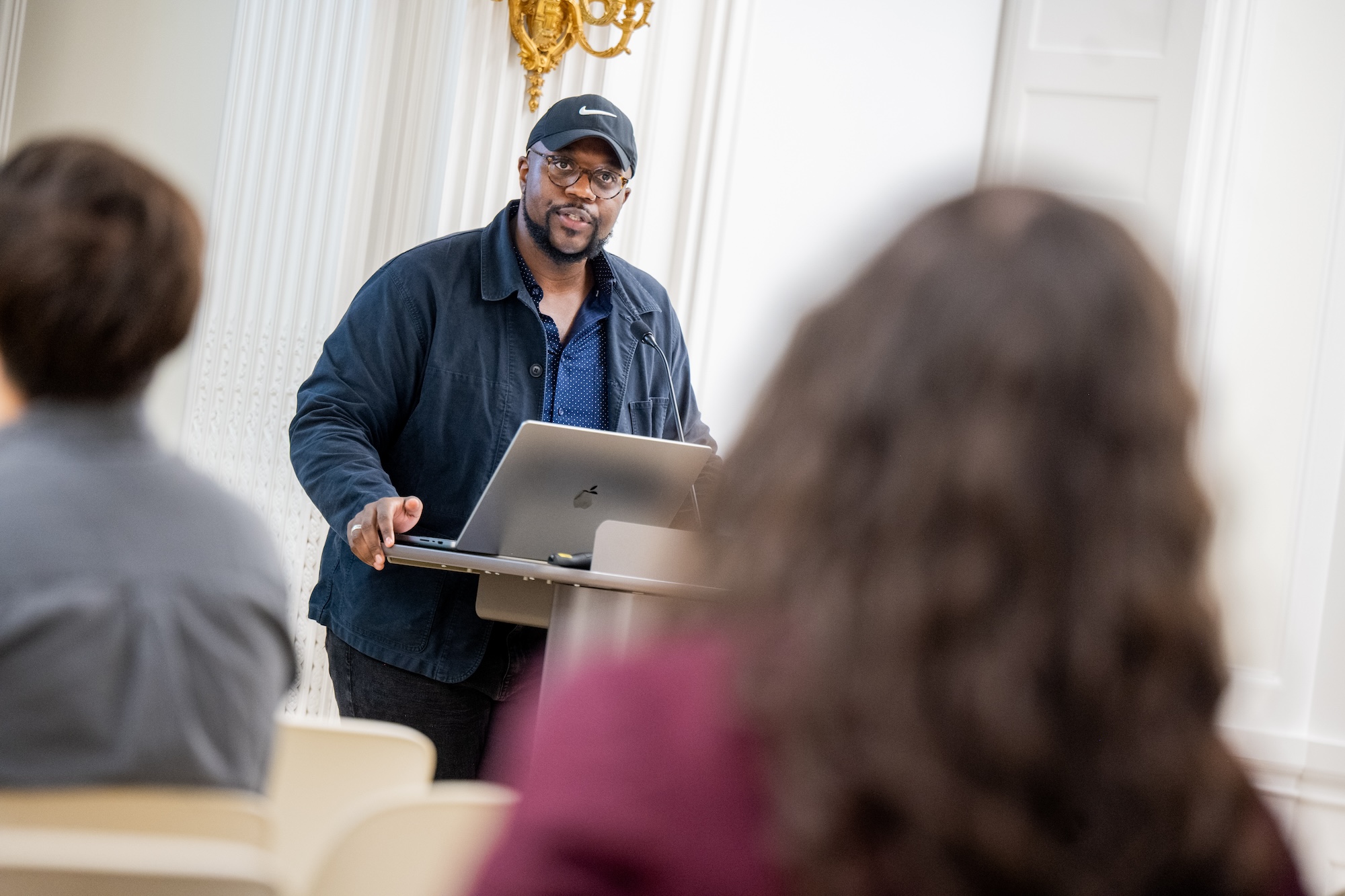
Ahmad Greene-Hayes delivering the keynote address at the conference Tending the Gap

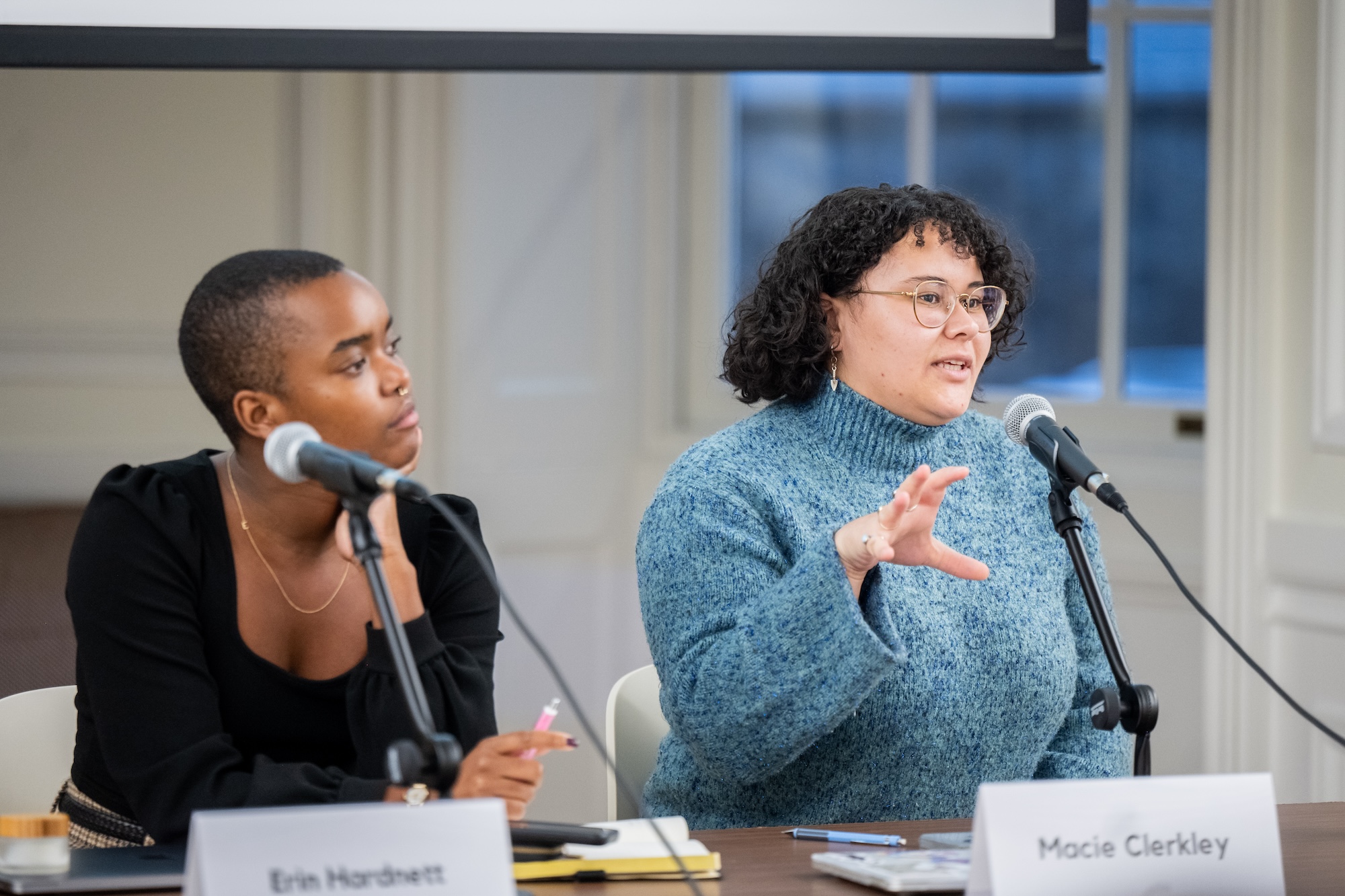
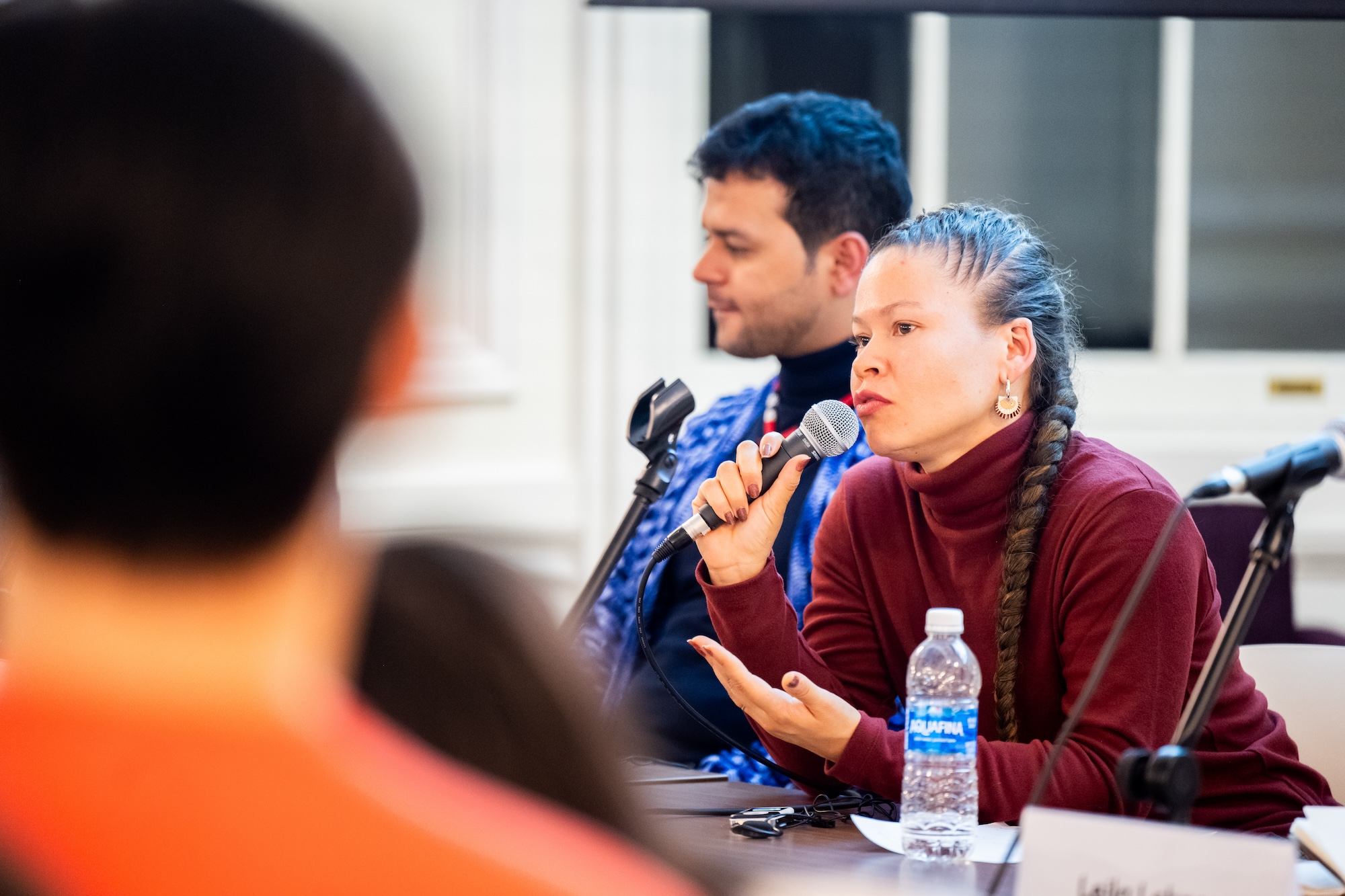
Speakers at the Decolonial Futurities panel

29

Courses offered in 2024–25

9

Collaborative humanities seminars

12

Courses taught by institute fellows

16

Departments/units represented

Doctoral Certificate in Collaborative Humanities

Eleven doctoral students representing nine departments and programs completed the doctoral certificate this past year: Alberto Alcaraz Escarcega (Political Science), Aseel Azab-Osman (Religious Studies), Matthew Ballance (Anthropology), Nick Bentz (Music and Multimedia Composition), Elizabeth Berman (Modern Culture and Media), Choa Choi (English), Amber Hawk Swanson (Theatre Arts and Performance Studies), Shirley Mak (Musicology and Ethnomusicology), Sönke Parpart (German Studies), Goutam Piduri (English), and Sofía Rocha (Music and Multimedia Composition). The total number of graduates now comes to 74 in the program’s seventh year. Congratulations to all!


Doctoral certificate recipients

Facilitating Critical Dialogues Across Campus

Greg and Julie Flynn Cogut Institute Speaker Series

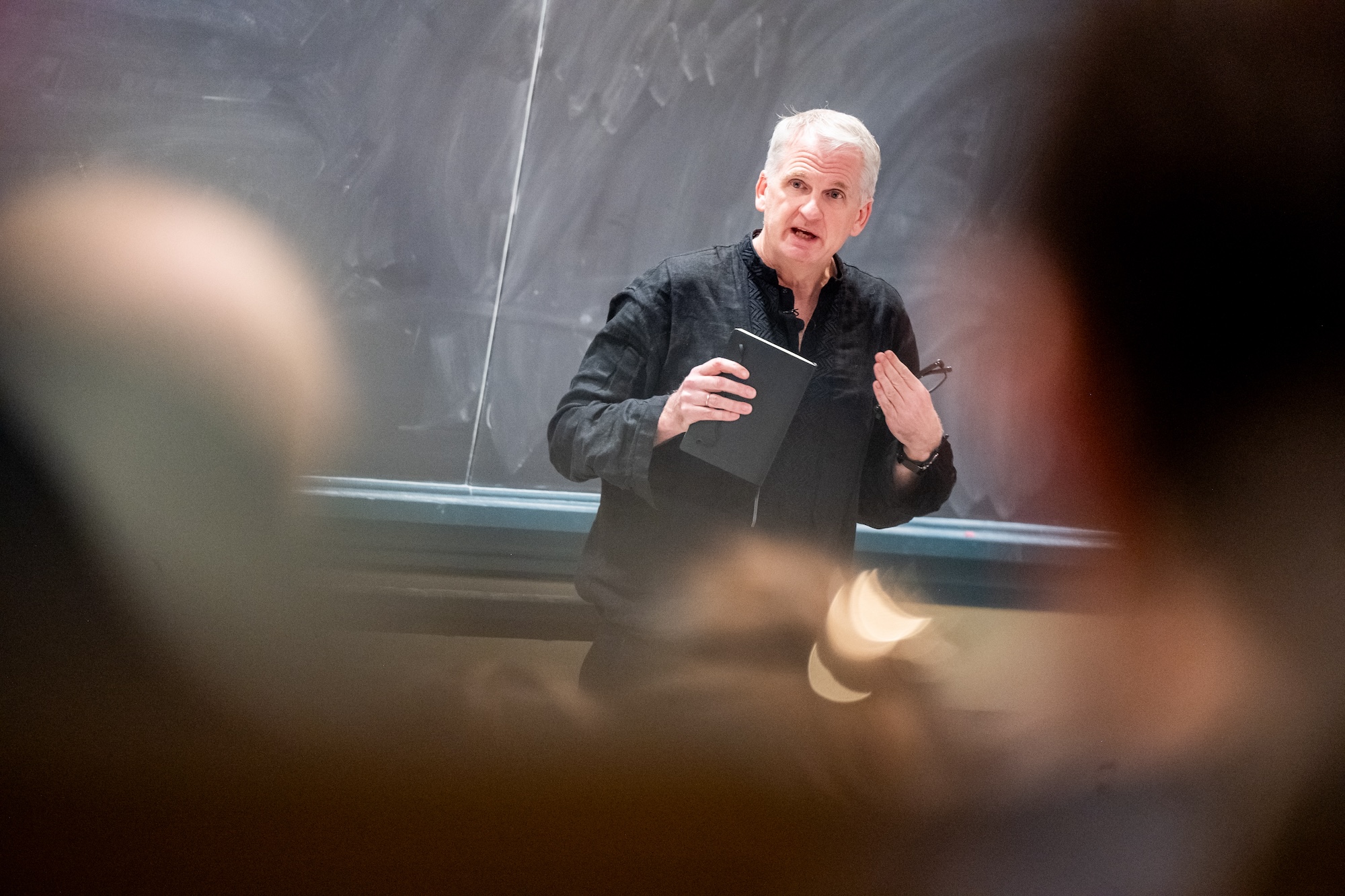
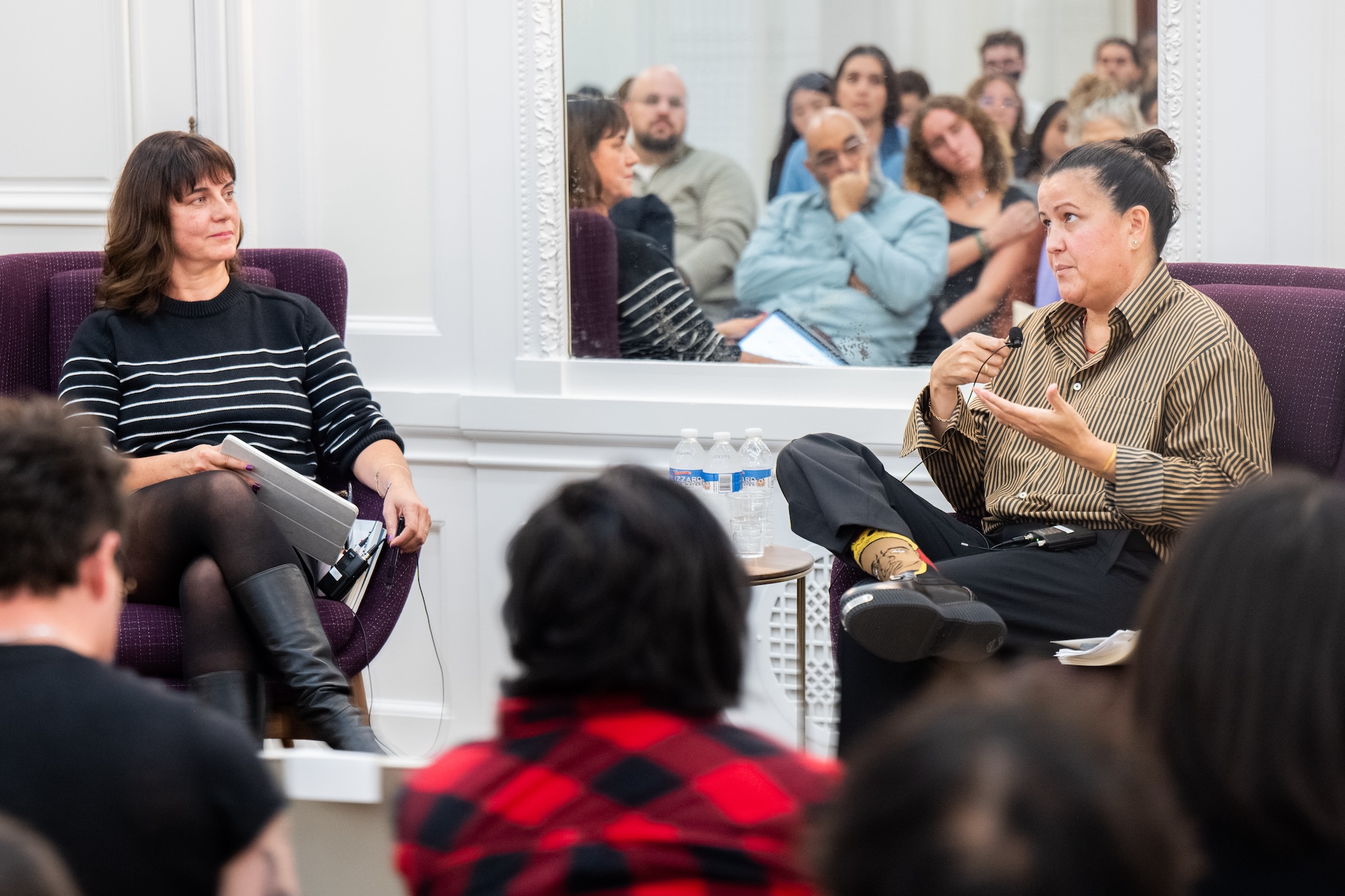
The institute’s flagship lecture series brought to campus three high-profile speakers. Pulitzer Prize–winning poet Natalie Diaz read from her poetry and discussed its engagement with Indigenous identity and language revitalization. Best-selling author and journalist Ed Yong, who won the Pulitzer Prize for his coverage of the COVID-19 pandemic, explored the ways in which non-human animals perceive the world and how we can be better stewards of the planet. And celebrated historian Timothy Snyder spoke on threats to democracy and the importance of collective action.

Ed Yong talking with a small undergraduate group

Timothy Snyder speaking

Natalie Diaz in conversation with Macarena Gómez-Barris

These speakers also held special seminars for groups of undergraduates in disciplines representing the breadth of the humanities and other fields such as international and public affairs, economics, computer science, biology, and neuroscience.

“ The highlight of my four years at Brown. ”

Undergraduate student attending Timothy Snyder’s seminar

57

Programs open to the public in 2024–25

3,398

Attendees around the world

35,211

Event video views on YouTube

Convened by the Economies of Aesthetics initiative, this symposium brought together scholars across a range of disciplines, from Comparative Literature to Anthropology, to explore theories and practices of reading.
The Disability Studies Working Group hosted a lecture on depathologization in trans health care and a roundtable, convened by Cogut Institute Postdoctoral Fellow Athia Choudhury, on the impacts of war on everyday life and disability.
This past year’s Film-Thinking series featured screenings and discussions of two milestone 1960s films: the 1969 Iranian film “The Cow” [“Gaav”] by Dariush Mehrjui and the 1966 Hungarian film “The Round-Up” [“Szegénylegények”] by Miklós Jancsó, the showing of which was co-hosted by the film festival Il Cinema Ritrovato on Tour at Brown.
The Humanities in the World Initiative convened this series in partnership with the Center for Middle East Studies to explore representations of Islam. Topics included the impact of socialist thinkers on the Islamic political landscape, rethinking psychoanalytic theory through an Islamic lens, and Islamic responses to war and violence.
Caroline Levine (Cornell University | Literatures in English) presented “Studying the Novel in the Climate Crisis, or a Tale of Three Pipelines,” a provocative discussion showing how new approaches to literary form can help catalyze political thinking and action on climate change.
Subtitled “The End(s) of Democracy,” this year’s Political Concepts conference gathered scholars from across the US and the UK to discuss the decline of democracy. Concepts discussed included “Freedom to Create,” “Reparation,” “Anarchy,” “Complicity,” and “Spiritual Democracy.”

Support the Humanities at Brown

This is a time of unprecedented federal funding cuts and budgetary challenges in higher education. You can help Brown University continue to offer world-class humanities research and teaching by supporting the Cogut Institute. The institute offers the resources and opportunities that the humanities community at Brown needs for fueling vibrant new fields such as the environmental humanities and health humanities, launching innovative new courses, and positioning our students and faculty to make their voices heard beyond the University. Your gift will directly empower scholars to pursue urgent questions, forge new collaborations, and shape the public conversations that define our future.

There are space-naming opportunities in the Andrews House that will help us to expand our programming and teaching. A gift in support of these priorities will also contribute to growing the humanities faculty, extending financial support to scholars, and enriching the student experience:

  • Humanities Initiative Professorships
  • Interdisciplinary centers and initiatives
  • Graduate student training and professionalization
  • Our essential Director’s Innovation Fund

Give now to the Cogut Institute


To learn more about how your gift will make an impact, please contact Shelley Roth P’17, P’20, Director of Development for Academic Initiatives, at shelley_roth@brown.edu or (401) 863-6592.